

Friend: My credit score is 450… is that good?
Me: It’s… a number, yes.
If you have ever had this conversation (or even thought of this question), you’re not alone. Credit scores sound way more mysterious than they are, but in reality: they’re mostly built by a few simple habits, done consistently, over time.
This guide breaks down what a credit score is, what “good” actually means, and how to build (or fix) yours as a student without doing anything complicated.
What a credit score is (and why we care)
A credit score is a three-digit number based on information in your credit report (plus the scoring model’s formula). Lenders (banks, landlords, dealerships, etc.) use it to judge how risky it is to lend you money. Different credit bureaus and lenders can calculate scores a bit differently; so it is normal to see different numbers in different places.
Why it matters:
- Getting approved for credit cards, loans, mortgages
- Often influencing the interest rate you’re offered (better score = better terms)
- Sometimes used in renting/phone financing decisions (context depends)
Where your credit score starts
Here’s the part that nobody explains clearly:
- Your credit report is created when you borrow money or apply for credit for the first time (you don’t start with a preset score).
To put it simply: your starting line is opening your first credit account, then letting responsible behavior get reported over time.
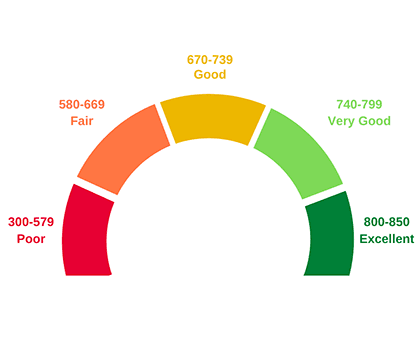
The Canadian credit score range
In Canada, credit scores typically range from 300 to 900.
What counts as “good” depends on the scoring model and the lender, but a common benchmark from Equifax is:
- Good: ~660–724
- Very good: ~725–759
- Excellent: 760+
What moves your credit score (the basics)
Your score comes from patterns in your credit report. In general, the biggest influencers are:
- Payment history (on-time vs late).
- Credit utilization (how much of your available credit you’re using, see 30% rule below).
- Length of credit history.
- New credit applications / inquiries.
- Types of credit (mix).
Raise vs lose credit: the side-by-side cheat sheet
I recommended taking note of this next section: what helps vs what hurts.
| Build / Raise your credit score | Drop / Hurt your credit score |
|---|---|
| Pay at least the minimum on time (!!), every time | Missed / late payments (cardinal sin of credit) |
| Keep utilization under 30% (the less the better) | Consistently high utilization / maxed out |
| Never cancel your very first credit card (#1 credit builder) | Closing old accounts will shorten credit history |
| Apply for credit sparingly, and with a plan | Many new applications in a short period of time |
| Check your credit report every so often, to keep tabs on errors and correct them | Errors, fraud and collections dragging your file down until corrected |
How to build credit as a student
If you’re young, your main goal is consistency, not complexity.
1) Use your first card as your “credit builder”
For most students, that’s your entry-level credit card from your bank you grew up with. It does not matter the type of card or the rewards. Use it for small, predictable purchases (groceries, transit, Spotify, whatever), and pay it properly, and pay it on time.
2) Never, EVER! Cancel your first credit card
Keeping an older account open helps credit history, and impacts your credit score the most. Yes, I know the rewards from these cards suck, and yes you will get new cards in the future. Just keep the account alive, make 2-3 transactions a month on it and pay it off in full. These cards generally won’t have a fee anyways.
The “30% rule” (and why it works)
Credit utilization is basically: how much credit you’re using compared to your limit.
FCAC (Financial Consumer Agency of Canada) guidance commonly referenced in Canadian education resources is to keep usage to no more than ~30% of your credit limit.
- Sidenote: Of course you are able to spend above the 30% credit, but you just want to keep the statement under 30%. Make an early payment :)
Example: If your limit is $1,000, try to keep your reported balance around $300 or less. This means at the time of your credit card statement creation, you have a balance of $300 or less.
My simple system, that I actually use to track all my finance due-dates
I put two reminders in my calendar:
- Statement date (when your statement is generated).
- Minimum Payment date.
Limit yourself to max 2 credit cards
This isn’t a law, just a smart training-wheels rule.
Why it works:
- Fewer cards = fewer chances to miss a payment, less things to keep track of.
- Easier to keep utilization low.
- Less temptation to overspend.
- Fewer applications/inquiries cluttering your file.
A clean setup early on beats a complicated setup you can’t manage.
Refrain from cash advances, it’s an easy way to get cooked
A cash advance is when you use your credit card to pull cash from an ATM (or similar).
Government of Canada guidance is clear:
- There’s no interest-free grace period, interest starts immediately.
- The interest rate is often higher than regular purchases.
Simple rule: if you can’t pay it off instantly, avoid it. This should go for everything by the way.
Quick Tips
- Check your credit report for free through the bureaus (Equifax, TransUnion) or through your online banking apps from the big 6 banks.
- Checking your credit does not affect your credit score.
- Your score changes as your report updates, different models can show different numbers.
- Keep the basics boring: pay on time + keep utilization low.
- Keep track of your due dates.
- Don’t spend what you can’t afford, credit cards aren't Monopoly money.
This article is for general educational purposes, not financial advice. Credit scoring models vary, and lenders may evaluate credit differently even when looking at the same report.